How to Make Steamed Sea Bass
Estimated Cooking Difficulty: ★★★
Essential Ingredients and Tools
- Sea bass (If you are afraid of cleaning the fish, ask the shop to help)
- Green onions
- Ginger
- Cooking oil
- Steamed fish soy sauce
- Cooking wine
- Table salt
Measurements
Per serving:
- Sea bass: 1 whole
- Green onions: 3 stalks
- Ginger: 1 piece
- Cooking oil: 10-15ml
- Steamed fish soy sauce: 10-15ml
- Cooking wine: 10-15ml
- Table salt: 5-10g
Instructions
- Slice and julienne the ginger. Cut the white parts of the green onions into sections and julienne the green parts. Soak the julienned green onions in cold water and set aside.
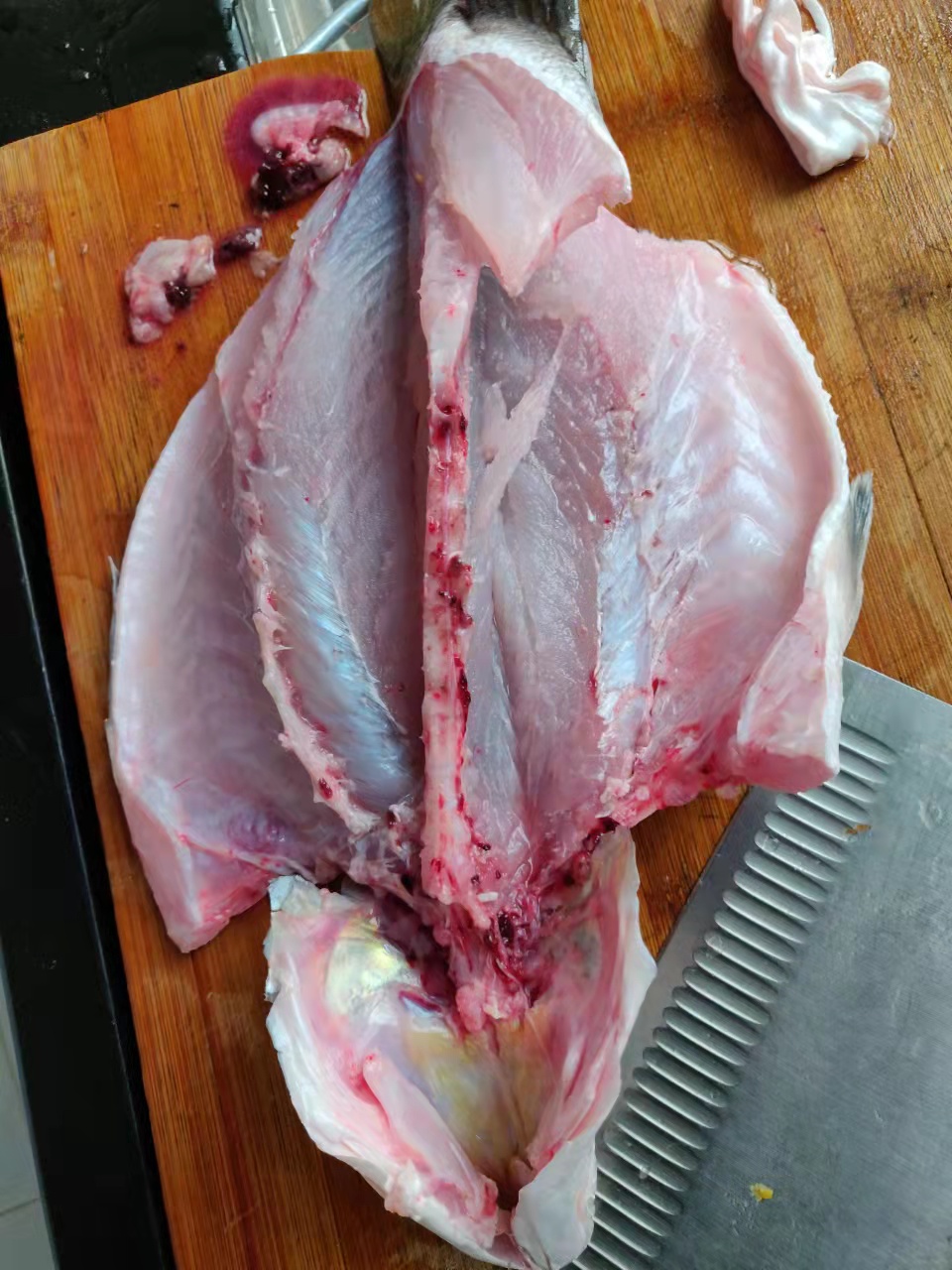
- Clean the sea bass thoroughly and pat it dry with kitchen paper. Make a few cuts on both sides. Use salt to wash off the slime on the fish's body, then rub 10g of salt all over the inside and outside of the fish. Marinate for at least 10 minutes.
- Add a note on how to score and plate the sea bass: Scoring the fish allows it to stand upright while steaming, ensuring even heat distribution and making it easier to eat without needing to flip it.
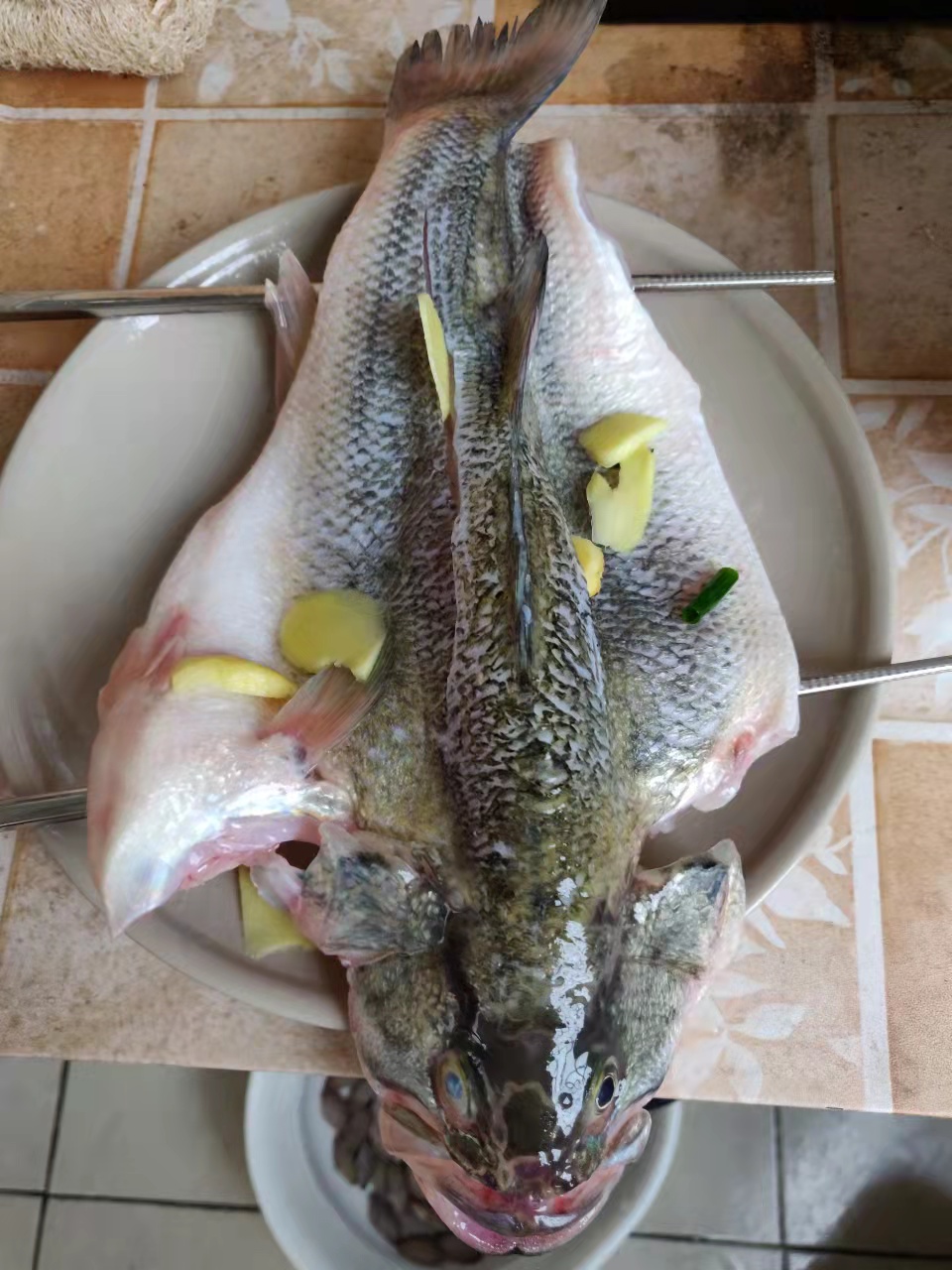
- Stuff the fish's belly with ginger and white onion sections. Sprinkle ginger and white onion sections over the fish's body (use half of the prepared amount). Place chopsticks under the fish on the steaming plate to elevate it.
- Once the water is hot, place the plate with the fish into the steamer.
- Steam on high heat for 10 minutes.
- Transfer the steamed fish to a clean plate and remove the ginger and white onion pieces.
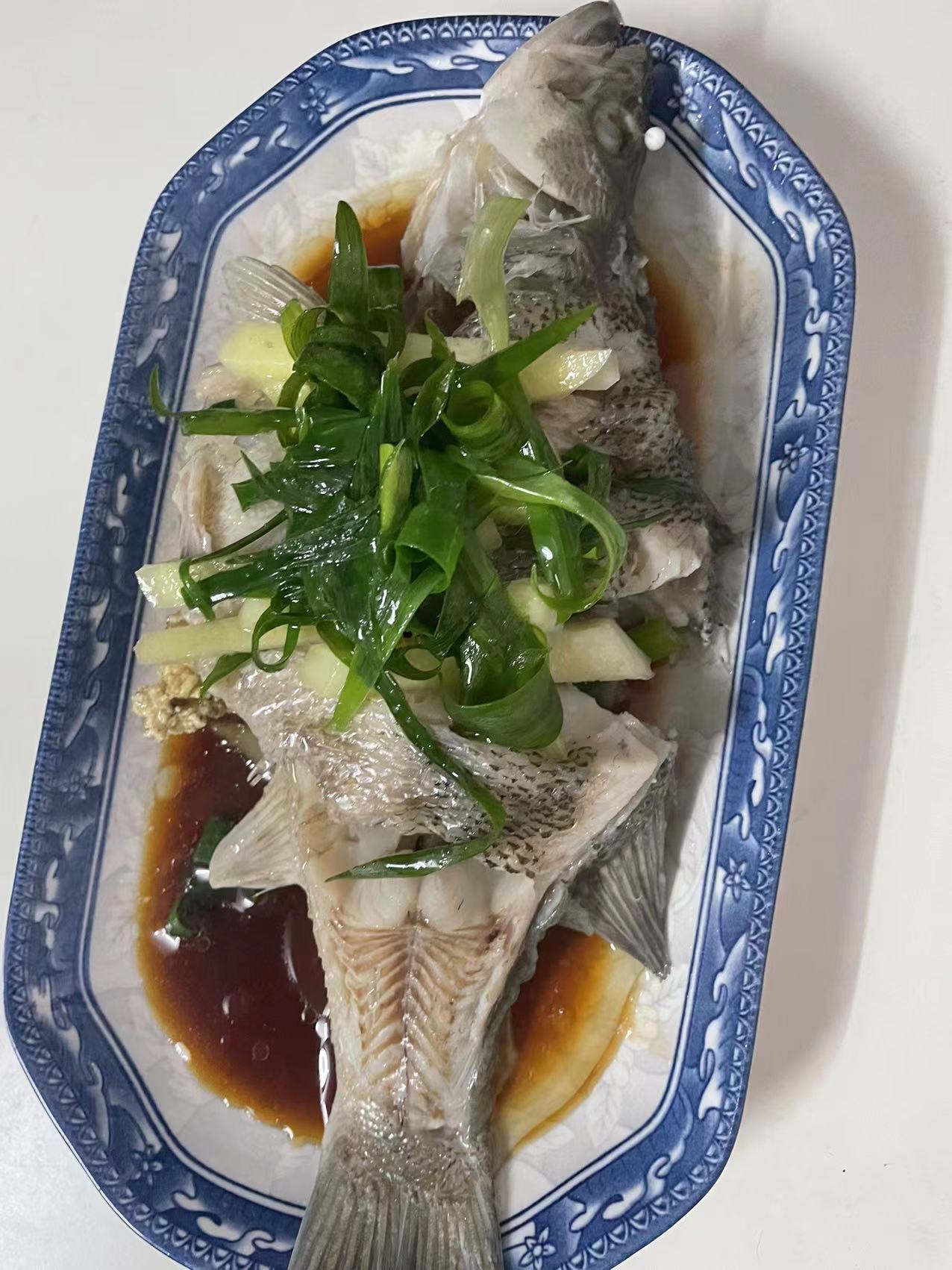
- Pour 15ml of steamed fish soy sauce over the fish.
- Sprinkle fresh ginger and green onion strips over the fish. Heat 10ml of cooking oil in a pan until hot, then drizzle the hot oil over the fish. Serve.
Additional Notes
- Technique Summary:
- This dish is very easy to make. The key lies in controlling the heat. The cooking time depends on the size of the fish. Overcooking will make the meat tough and negatively affect the texture, while undercooking will leave some parts raw. Therefore, steaming on high heat for under 10 minutes is generally ideal.
- Always use chopsticks to elevate the plate with the fish during steaming. This has two benefits:
-
- Fish releases water while steaming. If the fish sits directly in the water, it may taste fishy when eaten.
-
- It ensures even heat distribution.
-
- This dish is simple to make and tastes delicious.
If you encounter any issues or have suggestions for improvement while following this guide, please submit an Issue or Pull request.