How to Make Steamed Egg in a Microwave
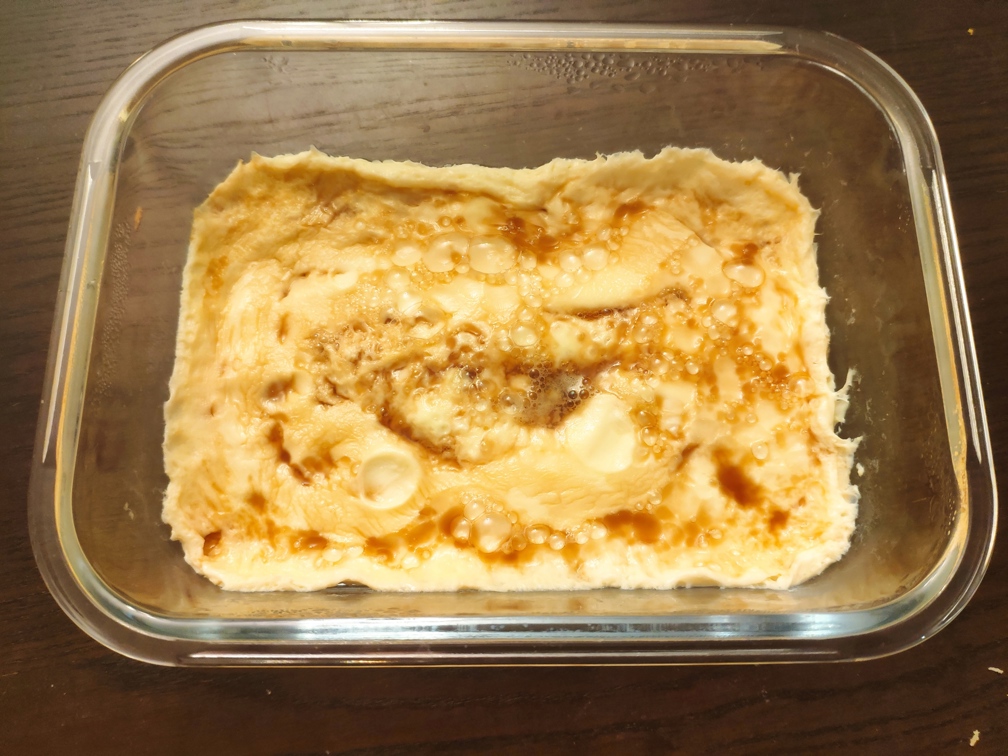 Microwave steamed egg is a simple and easy-to-make dish. It is perfect for a late-night snack when you suddenly get hungry, offering speed and simplicity.
Estimated Cooking Difficulty: ★★
Essential Ingredients and Tools
Each batch can make up to three servings. If serving more than 3 people, prepare in multiple batches.
- Eggs
- Water
Calculations
Determine the number of servings before each preparation. One serving is exactly enough for one person.
Total Amounts:
- Eggs: 2 per serving
- Water: 200ml per serving
- Dried shrimp: 10 per serving (optional)
- Green onions: 5g per serving (optional)
- Salt: 3g per serving
- Soy sauce (optional)
- Sesame oil (toasted sesame oil): 1ml (optional)
Instructions
- Crack the eggs into a microwave-safe ceramic bowl and beat them with chopsticks.
- Add water and salt, and stir well.
- Add the dried shrimp to the bowl, stir to mix, and ensure the shrimp do not clump together.
- Chop green onions into pieces with sides of approximately 0.6±3mm, add to the bowl, and stir well.
- Place the bowl and its contents in the microwave. Cover the container with plastic wrap or a microwave-safe lid (Note: Do not seal tightly; leave space for expansion). Heat for 2 minutes at 500W.
- Carefully remove the plastic wrap or lid, then continue heating for another 2 minutes.
- If your microwave does not have a rotating turntable, slowly rotate the bowl 180 degrees horizontally to ensure even heating.
- Add sesame oil.
- Carefully remove the bowl from the microwave (it is very hot).
- If using soy sauce, ensure it flows over the surface of the steamed egg and coats it in the thinnest possible layer.
- Enjoy your steamed egg with delight.
Additional Notes
-
One egg weighs approximately 50±5g. If using other types of eggs, adjust the water quantity proportionally.
-
Ensure the eggs are thoroughly beaten; otherwise, mild egg explosions may occur.
-
The mixture of eggs and water should not exceed 2/3 of the bowl's capacity to prevent overflow.
If you encounter any issues or have suggestions for improvement while following this guide, please submit an Issue or Pull request.