Sweet and Sour Pork Ribs Recipe
Sweet and sour pork ribs are a representative traditional dish, beloved by the public for their unique sweet and tangy flavor. This recipe optimizes ingredient binding, heat control, and operational details while preserving the original taste, aiming to improve the recipe's portability and executability.
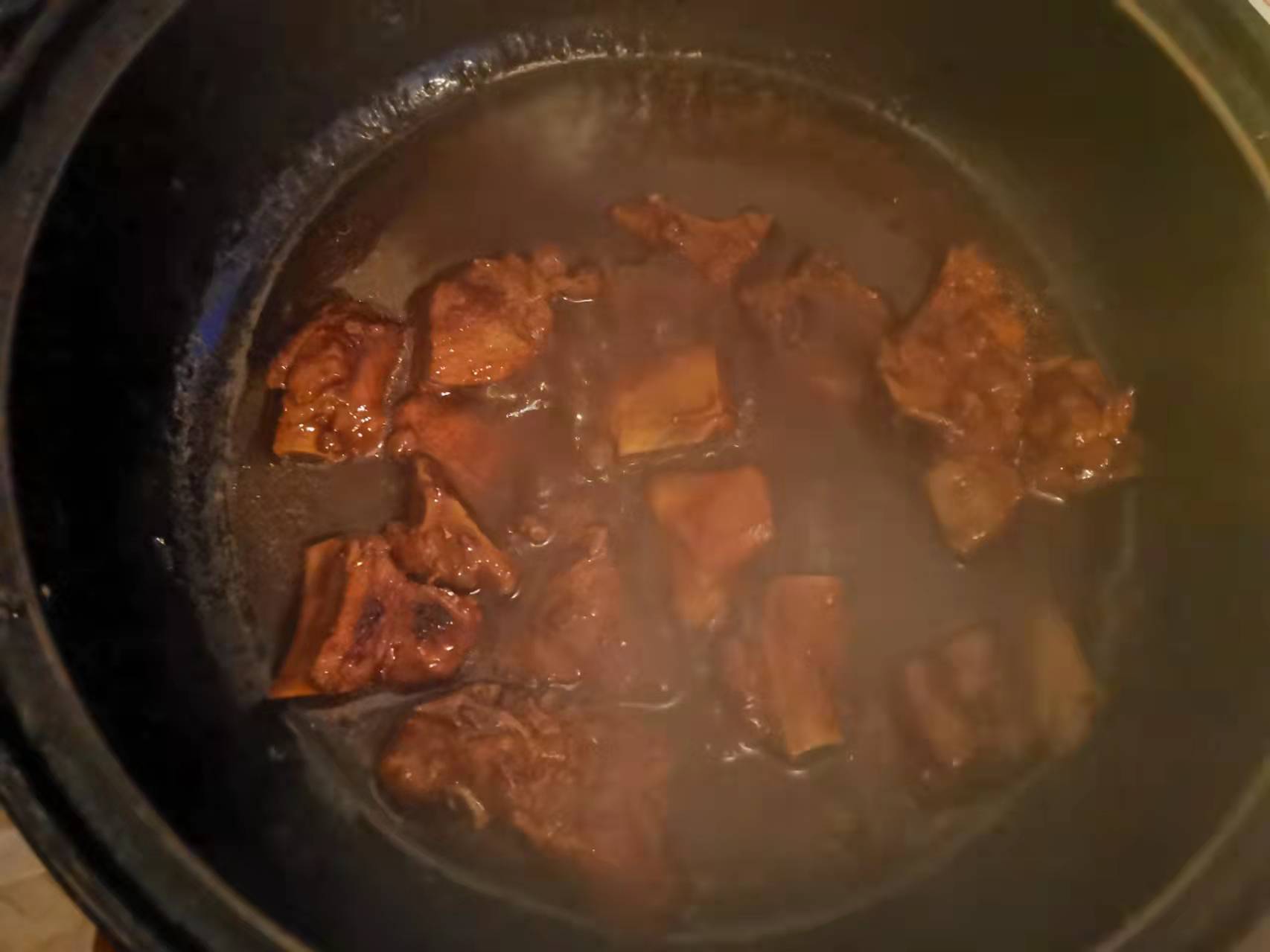
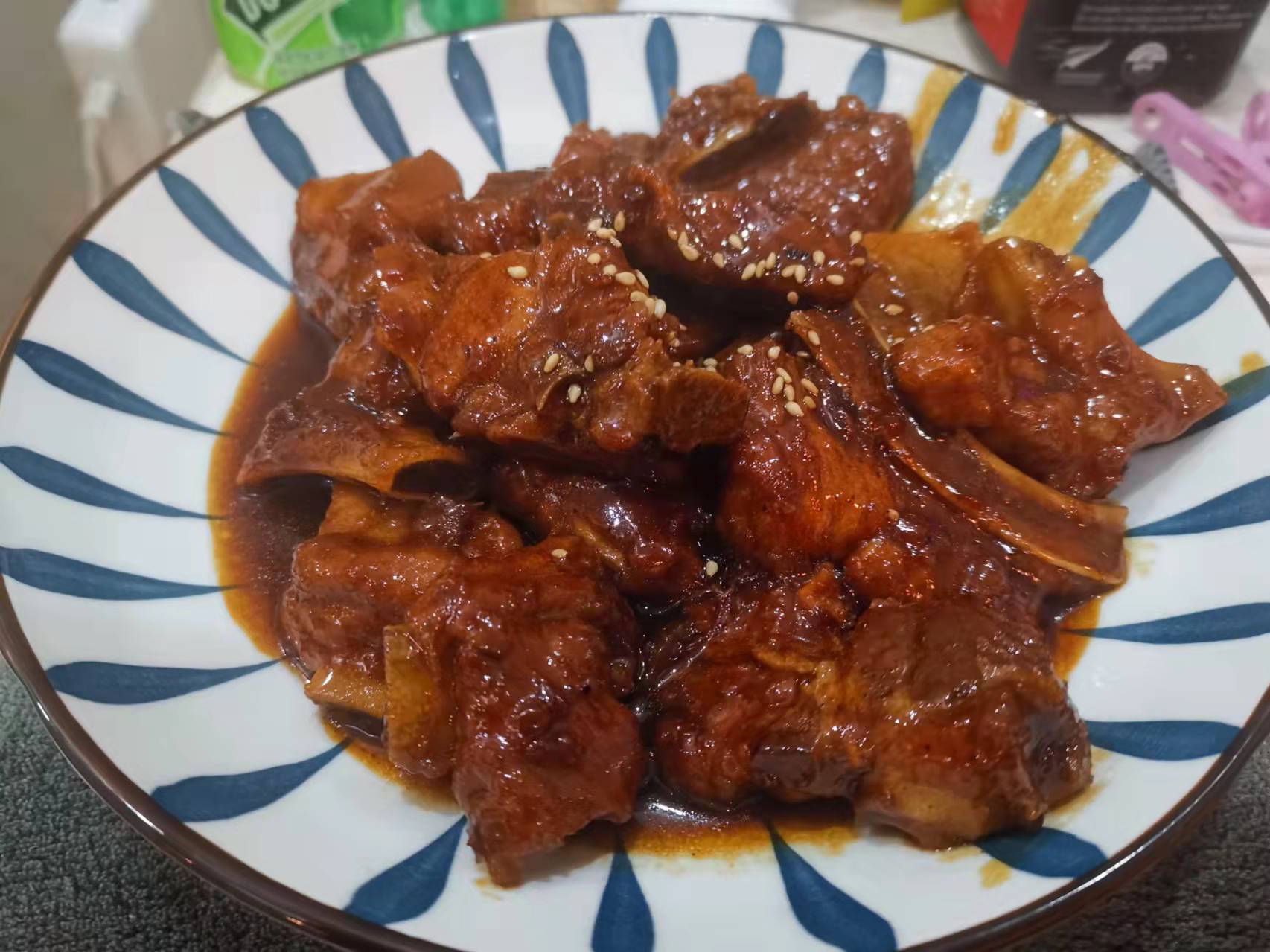
Estimated Cooking Difficulty: ★★★★
Essential Ingredients and Tools
- Pork ribs
- White sugar
- Cooking oil
- Light soy sauce
- Oyster sauce
- Dark soy sauce
- Chicken bouillon powder
- Ginger slices
- Sesame seeds
- Tomato ketchup
- Chinese black vinegar (Xiangcu)
- Five-spice powder
Measurements
Per serving:
- Pork ribs: 300 g
- White sugar: 30 g
- Cooking oil: 300–350 ml (Adjust oil quantity based on pot size; for deep frying, ensure the oil covers at least 2/3 of the ribs)
- Light soy sauce: 5 ml
- Oyster sauce: 5 ml
- Dark soy sauce: 5 ml
- Chicken bouillon powder: 2 g
- Ginger slices: 2 pieces
- Sesame seeds: 2 g
- Tomato ketchup: 10 g
- Chinese black vinegar: 5 ml
- Five-spice powder: 0.5 g
Instructions
- Place the pork ribs and ginger slices in cold water. Bring to a boil over high heat. Once boiling and a large amount of foam appears, reduce to medium heat. When the water continues to boil, reduce to low heat and blanch for 2–3 minutes. Remove and set aside.
- Rinse the pork ribs thoroughly with hot water 2–3 times to ensure all blood foam is removed.
- Pour a sufficient amount of cooking oil into the pot for deep frying (approximately 300 ml is recommended for typical home use). Heat the oil to about 170°C, then add the pork ribs and fry for 3–5 minutes until the surface turns slightly golden. Remove and drain the oil.
- In a clean pot, heat 50 ml of hot water over low heat. Add 30 g of white sugar and stir gently until the sugar completely dissolves and the mixture turns slightly pale yellow. The key to this step is observing the dissolution of the sugar rather than relying solely on color changes.
- Pour the fried pork ribs into the pot with the sugar syrup. Stir-fry quickly for 30 seconds, then sequentially add 5 ml of Chinese black vinegar, 5 ml of light soy sauce, 5 ml of oyster sauce, 2 g of chicken bouillon powder, 10 g of tomato ketchup, and 0.5 g of five-spice powder. Stir-fry for another 30 seconds to evenly coat the ribs with the seasoning. Then, add boiling water until it just covers the ribs.
- Bring the liquid in the pot to a boil over high heat. Add 5 ml of dark soy sauce for color, and quickly reduce the sauce. If the rib pieces are large, reduce to low heat and simmer for 5–10 minutes to allow better flavor absorption. Avoid simmering over medium heat for 20 minutes, as this may compromise the texture.
- Transfer to a serving dish, sprinkle with 2 g of sesame seeds, and serve.
Additional Content
- When frying pork ribs, you can lightly dust a small amount of dry starch on the surface depending on the situation to enhance the crispy texture.
- Pay attention to the heat changes during blanching: start with high heat in cold water until it boils and produces abundant foam, then reduce to medium heat, and finally to low heat for blanching. After blanching, rinse with boiling water to avoid the meat becoming tough due to a large temperature difference.
- The key to step four is ensuring the sugar is completely dissolved; do not overly rely on color changes for judgment.
- When reducing the sauce, stir-fry quickly to ensure the ribs are evenly coated with the seasoning, avoiding prolonged simmering that can compromise the texture.
If you follow this guide's process and find any issues or have suggestions for improvement, please open an Issue or submit a Pull request.