Recipe for Tangerine Peel Pork Rib Soup
In addition to braising or stewing, fresh pork ribs can be used to make soup. When paired with aged tangerine peel (Chenpi), the resulting broth is highly nourishing, offering benefits for the spleen, stomach, lungs, and throat. It is a must-have for those who stay up late.
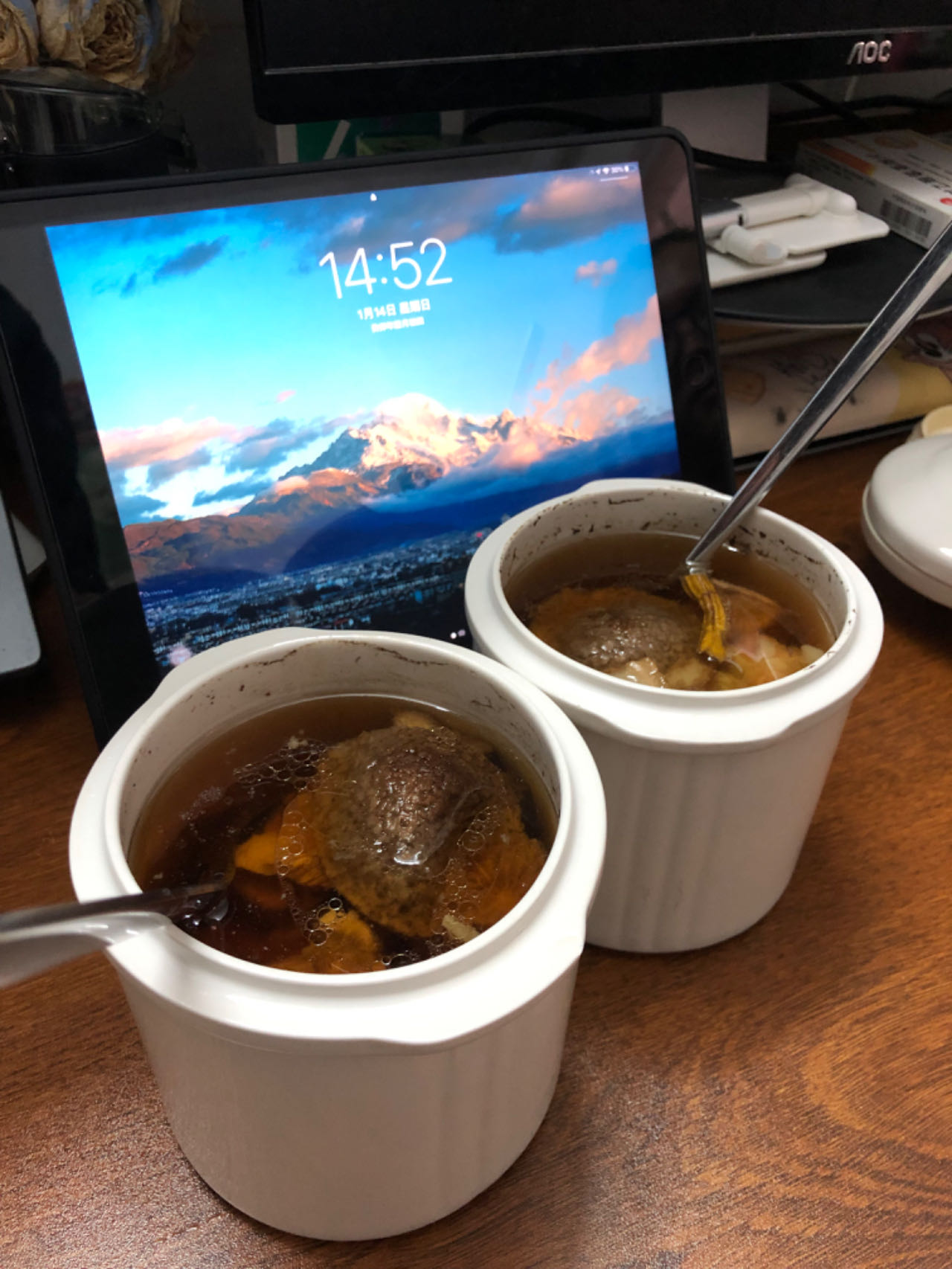
Estimated Cooking Difficulty: ★★★
Essential Ingredients and Tools
- Pork ribs
- Aged tangerine peel (Chenpi)
- American ginseng
- Dendrobium
- Polygonatum odoratum (Yuzhu)
- Ophiopogon japonicus (Maidong)
- Soup pot
- Salt
Measurements
Per serving:
- Pork ribs: 4-5 pieces (pork bones can be used as a substitute)
- Aged tangerine peel (preferably aged 8-20 years): Typically, one piece consists of 3 segments; use 1 segment
- American ginseng (also known as Huashen): 9 slices
- Dendrobium: 6 pieces
- Polygonatum odoratum: 5 slices
- Ophiopogon japonicus: 7 pieces
- Soup pot: Sized for 1 serving
- Salt: 5g
Instructions
Preparation
- Blanch the pork ribs in hot water to remove blood impurities.
- Rinse the aged tangerine peel, Ophiopogon japonicus, Polygonatum odoratum, Dendrobium, and American ginseng clean.
- Clean the soup pot.
Cooking
- Open the soup pot, place the pork ribs at the bottom, and then layer the aged tangerine peel, Ophiopogon japonicus, Polygonatum odoratum, Dendrobium, and American ginseng on top.
- Add hot water to the soup pot; do not fill it completely.
- Place the soup pot in a steamer or cooker and simmer for 1.5 hours.
- Add salt and serve while hot.
Additional Notes
The soup pot becomes very hot; handle with care to avoid burns or dropping it.
Cantonese slow-cooked soups emphasize quality ingredients and precise heat control. As long as you prepare the ingredients properly and simmer for the required duration, you will achieve excellent results!
If you encounter any issues or have suggestions for improvement while following this guide, please submit an Issue or Pull request.