How to Make Fermented Sweet Rice (Jiuniang/Laozao)
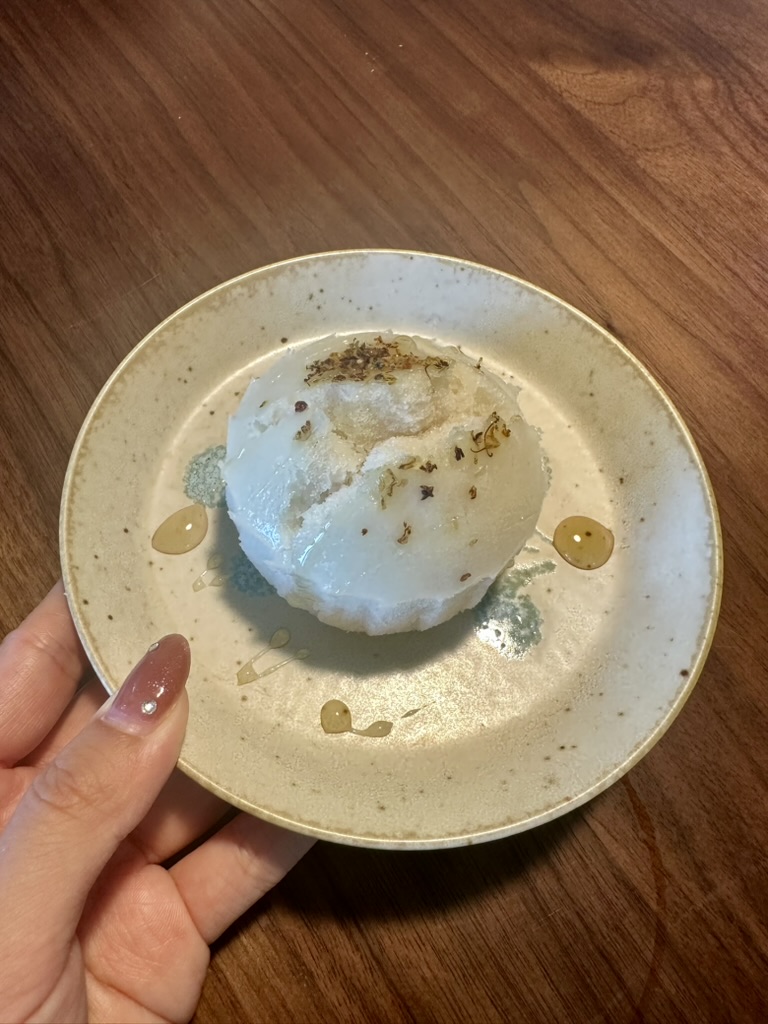
Jiuniang, also known as Laozao, is a traditional Chinese fermented dessert. The finished product is sweet and slightly intoxicating, containing a small amount of alcohol. It is believed to strengthen the spleen, stimulate appetite, and aid digestion. Although making it requires some fermentation skills, the process is simple and fun, making it a great choice for beginners. The estimated preparation time is 2 days (excluding waiting time; active operation takes only about 1 hour).
Estimated Cooking Difficulty: ★★★★
Essential Ingredients and Tools
- Glutinous rice: 800g (short-grain glutinous rice is recommended)
- 1 packet of Angel Sweet Rice Wine Yeast (8g) (While the standard ratio is 3g of yeast per 1000g of rice, using more yeast increases the success rate)
- Water: 720g + 600g (720g for steaming the rice, and the remaining 500g for fermentation)
- Steamer (a rice cooker works fine)
- Thermometer (optional but recommended)
- 1 clean, sealed glass or ceramic container
Yield
This recipe yields 1 batch, sufficient for 6–8 servings.
Instructions
- Rinse 800g of glutinous rice thoroughly and place it in a rice cooker. Add 720g of water and select the "Steam" or "Cook" mode.
- Once cooked, transfer the rice to a clean surface to cool. Spread it out using clean utensils until it reaches 30°C (using a thermometer is recommended; it should feel warm to the touch but not hot).
- Dissolve 8g of Angel Sweet Rice Wine Yeast in 20ml of warm water (approximately 30°C). Sprinkle the yeast solution evenly over the glutinous rice and mix well.
- Add 600g of water to the rice to help distribute the yeast evenly. Let it sit for 2–3 minutes until the rice has absorbed the water. Adding this water ensures the jiuniang will have a rich broth during the initial fermentation.
- Use a rolling pin to create a small hole in the center of the rice mound (this helps release the wine).
- Transfer the mixed rice into a clean container, gently flatten the surface, and seal tightly with a lid or plastic wrap.
- Ferment in an environment maintained at 28–32°C for 24–48 hours. Avoid shaking or moving the container during fermentation.
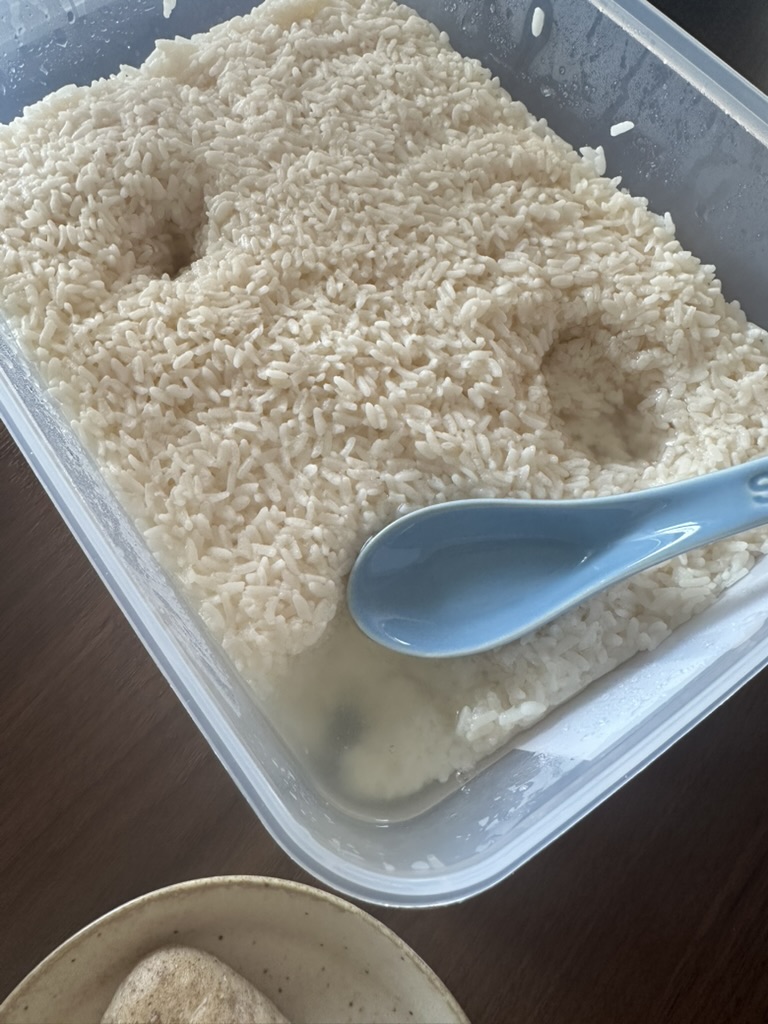
- Signs of successful fermentation include: clear wine liquid seeping into the central hole, a slight alcoholic aroma, and no off-odors or sourness.
- Once fermented, refrigerate immediately (you can add osmanthus flowers during this stage). Use clean utensils to serve each time. It can be stored in the refrigerator for 7–10 days.
- For a second fermentation, you can add up to 500ml of water to increase the yield (do not exceed 800g of total added water).
- Jiuniang continues to ferment over time. To stop fermentation, steam it for 10 minutes to kill the yeast, or store it in the refrigerator.
Advanced Version 1: Pre-soaked Rice Method
- Rinse 800g of glutinous rice thoroughly and soak it in water for 6–8 hours (8–10 hours in winter is recommended) until the grains are plump.
- Drain the rice, place it in a steaming cloth, and steam over boiling water for 40–60 minutes. Open the lid and stir the rice every 20 minutes to ensure even cooking.
- Once cooked, transfer the rice to cool, add the yeast, and follow the subsequent steps as described above.
Advanced Version 2: Mixed Rice
- Of course, experienced brewers are free to experiment with different rice combinations. You can replace 20% of the glutinous rice with millet, oats, yellow rice, blood rice, etc.
Additional Notes
- Fermentation temperature is critical: low temperatures lead to slow or failed fermentation, while high temperatures can kill the fermentation starter.
- Common causes of fermentation failure: temperature too high, adding the starter when the rice is still too hot, or containers not being properly cleaned or contaminated with water/oil.
- It can be served hot with ingredients like tangyuan (glutinous rice balls), egg drop, or goji berries, but avoid prolonged boiling to preserve the alcoholic aroma.
- The rice wine liquid can be used to make rice wine cakes, rice wine pancakes, etc., and can also serve as a seasoning to enhance the flavor of beef rice bowls and teriyaki sauce.
If you encounter any issues or have suggestions for process improvements after following this guide, please submit an Issue or Pull Request.