How to Make the Perfect Boiled Egg
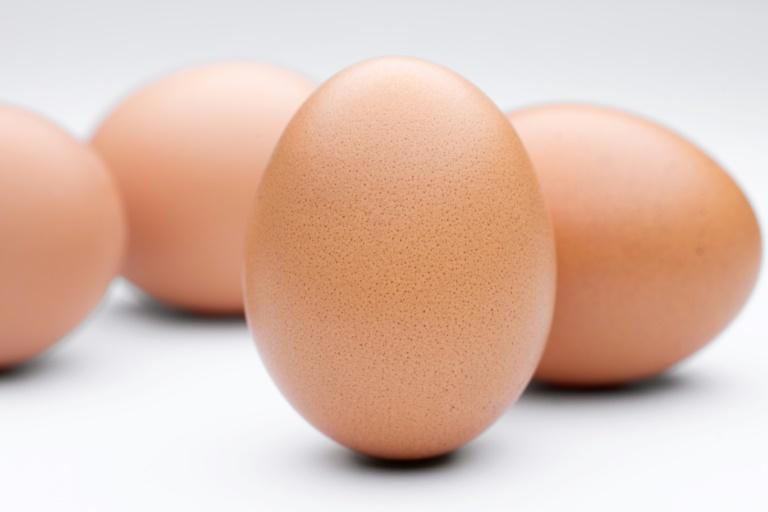
The circulatory boiling method developed by scientists achieves a dense yolk, uniformly set white, and maximum nutrient retention simultaneously. It requires precise control of temperature and time, making it challenging.
Estimated Cooking Difficulty: ★★★☆☆
Essential Ingredients and Tools
- Fresh eggs (AA grade recommended)
- Pot of boiling water at 100°C (diameter ≥ 15cm)
- Pot of warm water at 30°C (diameter ≥ 15cm)
- Timer
- Slotted spoon
Measurements
Per serving:
- 1 egg (approx. 60g)
- 1500ml of boiling water at 100°C
- 1500ml of warm water at 30°C
Instructions
- Prepare two pots of water: Pot A maintains boiling water at 100°C, and Pot B maintains warm water at 30°C.
- Use the slotted spoon to place the egg into Pot A and start the timer.
- Precisely transfer the egg to the other pot of water every 2 minutes.
- Repeat the transfer process a total of 16 times (total duration 32 minutes).
- After the final transfer, let the egg rest in Pot B for 30 seconds.
- Immediately place it in ice water (0°C) to stop the cooking process (maintain for 30 seconds).
- When peeling, start from the blunt end (air cell) and peel the membrane along the longitudinal axis.
Additional Information
- Key Parameters:
- Yolk center temperature: 67±1°C
- White layering temperatures:
- Outer layer: 100°C→87°C
- Middle layer: 87°C→55°C
- Inner layer: 55°C→30°C
- Nutritional Advantage: Polyphenol content is 23% higher than traditional boiling methods.
If you encounter any issues or have suggestions for improvement while following this guide, please submit an Issue or Pull request.